

HVAC Repair for Homeowners: A Residential Guide for Havelock, NC
Homeowners in Havelock, NC, benefit from understanding HVAC repair as it applies to their home's heating and cooling system. The coastal climate brings high humidity, salt air exposure, and long cooling seasons that accelerate wear on residential equipment. Knowing the basics helps you act quickly, make informed decisions, and extend the life of your system.
What Residential HVAC Repair Actually Involves
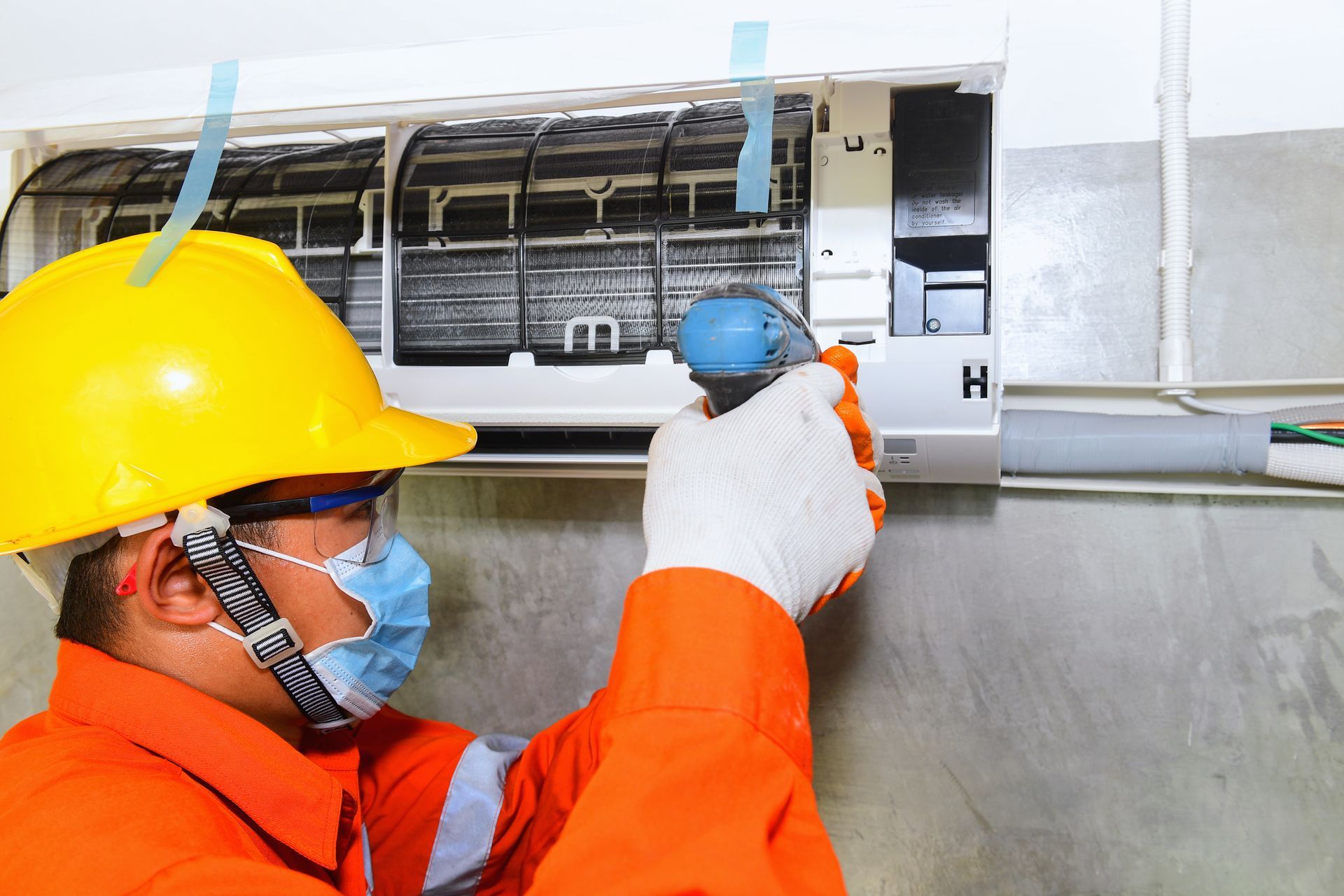
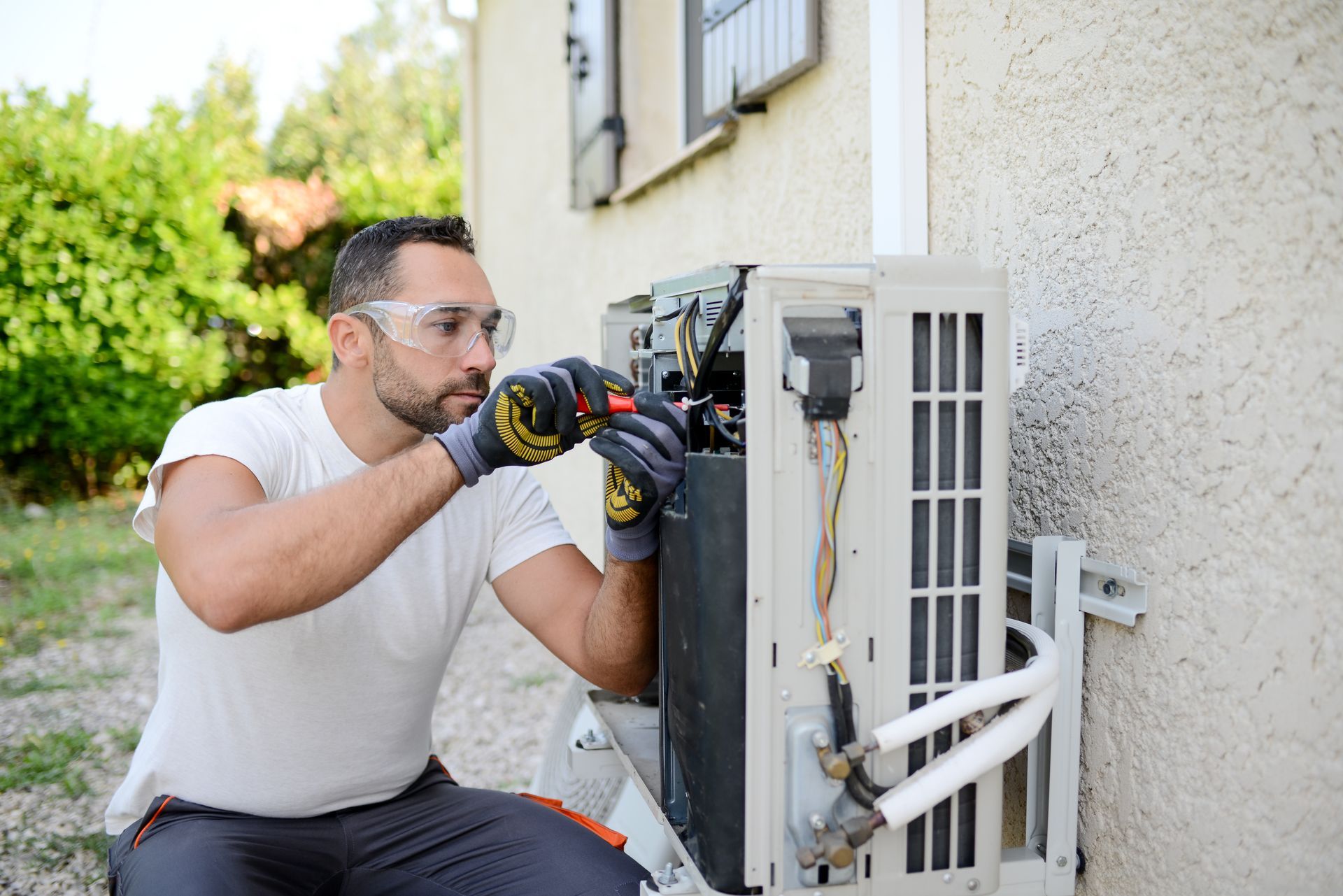
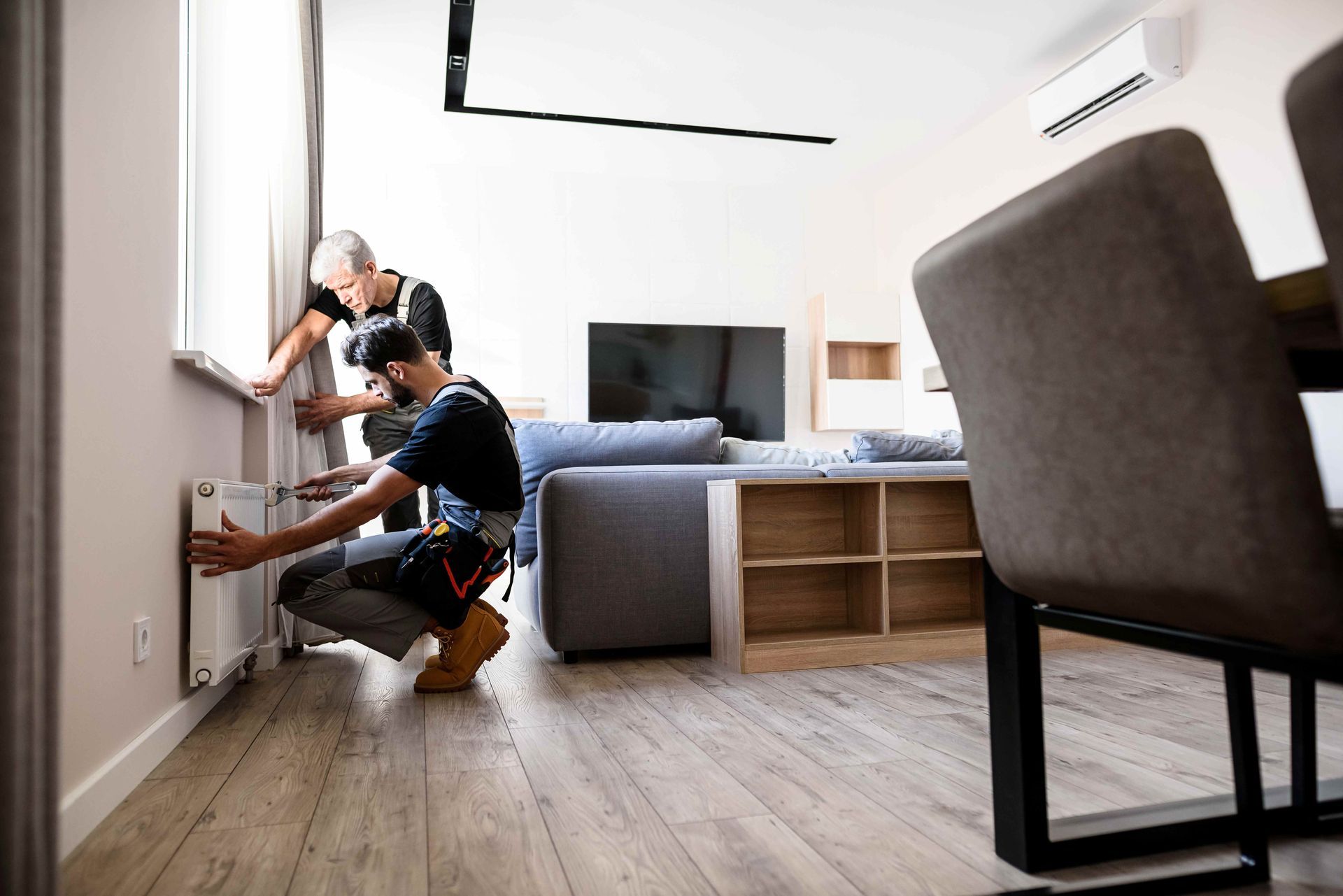
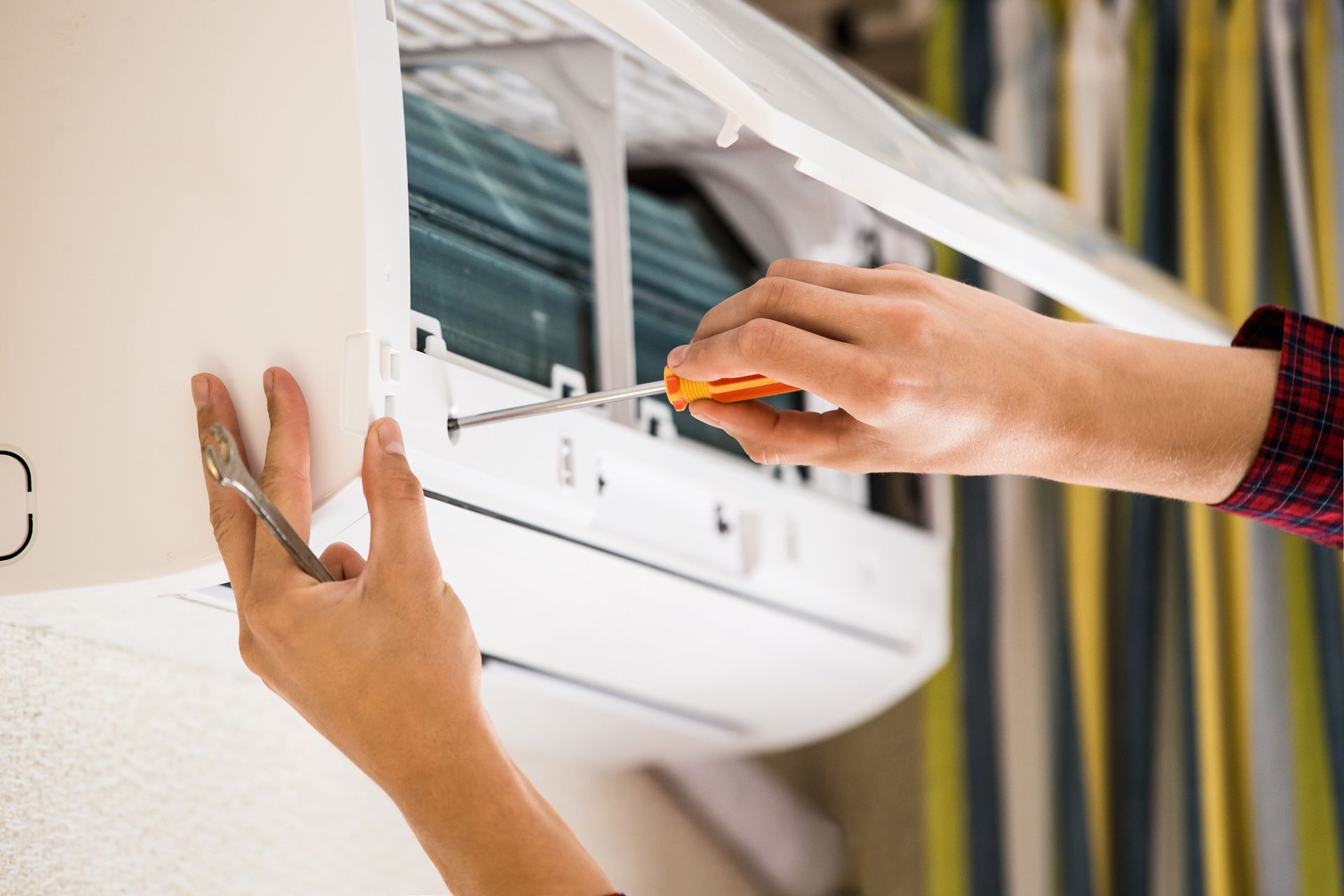
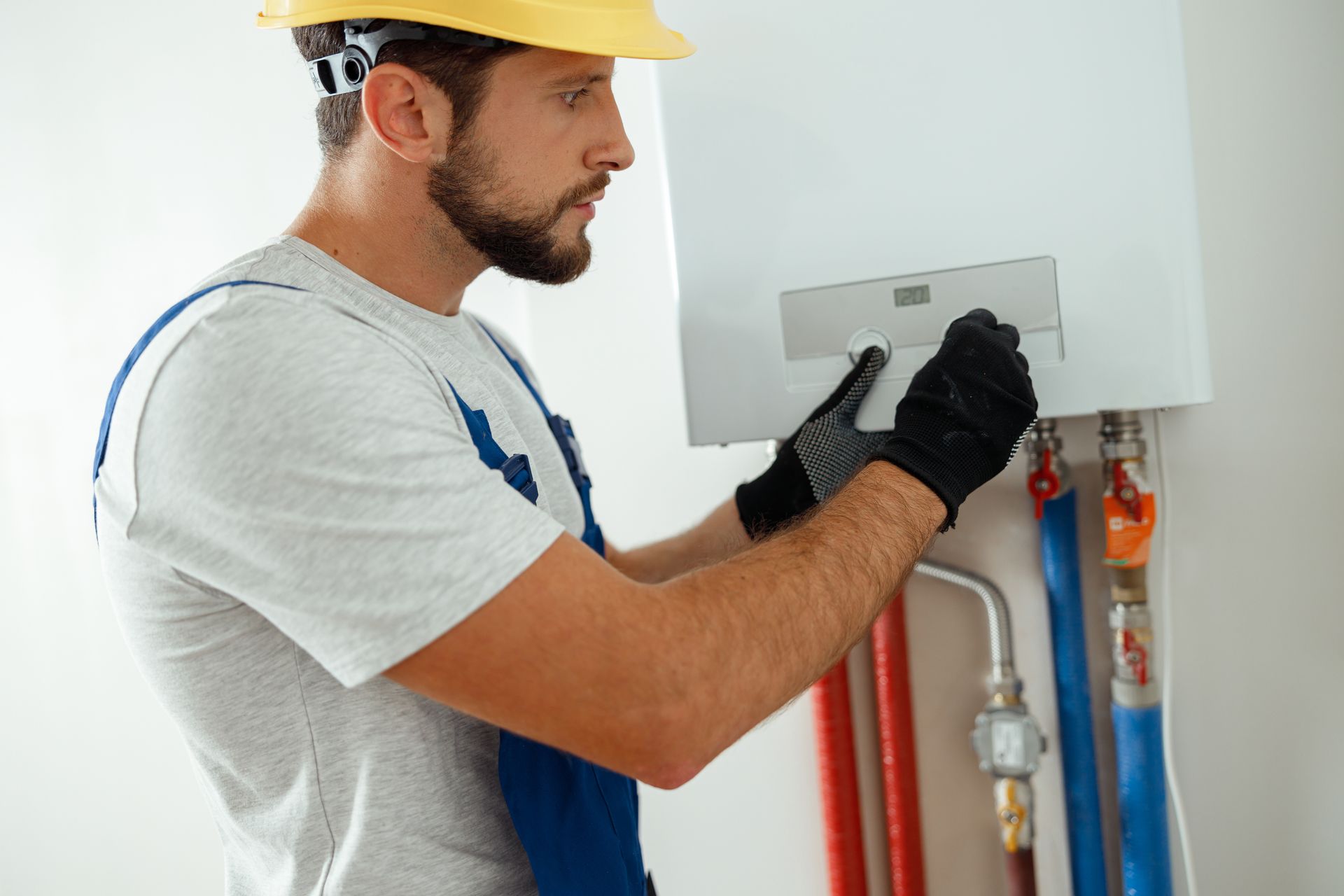
Residential HVAC repair focuses on diagnosing and fixing problems inside a home's heating, ventilation, and air conditioning system. Unlike commercial systems built for large buildings, residential systems are sized for single-family homes, and the diagnosis process, parts, and repair approach differ accordingly.
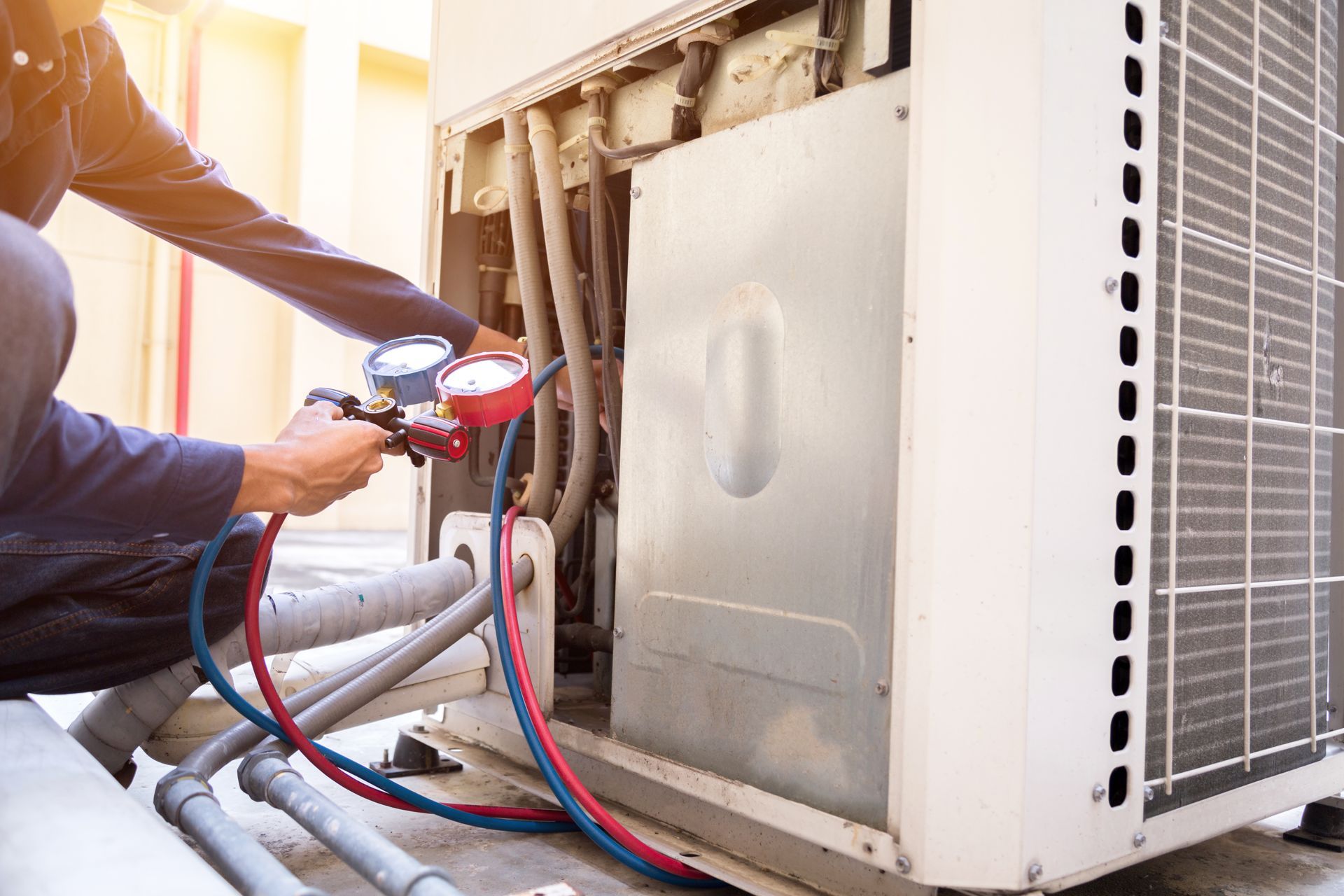
A technician evaluating a Havelock, NC, home will assess several interconnected components: the indoor air handler or furnace, the outdoor condenser or heat pump, the refrigerant lines, the thermostat and control wiring, and the ductwork. Because these parts work as a system, a problem with one component can affect the performance of others.
How Havelock's Climate Affects Your Home HVAC System
Havelock, NC, sits in a coastal region where heat and humidity combine for long summers. High humidity causes systems to run longer cycles to remove moisture from the air, accelerating component wear. Salt air can corrode outdoor condenser coils and electrical connections faster than in inland locations.
HVAC repair in Havelock, NC, may therefore involve issues such as frozen evaporator coils from restricted airflow, capacitor failures from heat stress, and corrosion-related electrical problems. Being aware of these tendencies helps you monitor your system more proactively.
Practical Tips for Homeowners Managing HVAC Repair Situations
Before the Technician Arrives:
▸Turn the system off at the thermostat if you notice ice buildup, unusual sounds, or a burning smell, as continued operation may worsen damage.
▸ Check your circuit breaker to rule out a tripped breaker before calling for service.
▸Clear at least two feet of space around the outdoor unit and locate your system's model and serial number so the technician can source parts quickly.
Ongoing Habits That Reduce Repair Frequency:
▸ Replace your air filter every one to three months. A clogged filter is one of the most common contributors to system strain.
▸ Keep the outdoor unit free of leaves and debris that can block airflow to the condenser coils.
▸ Schedule a professional tune-up at least once a year. In coastal environments like Havelock, NC, twice a year may be more appropriate given the extended cooling season.
▸ Keep supply and return vents open and unblocked throughout the home to maintain balanced airflow.
When Evaluating a Repair Quote:
▸ Ask the technician to explain what failed and why, not just what they plan to replace.
▸ Request a written estimate before authorizing work so you can compare repair versus replacement cost if the system is older.
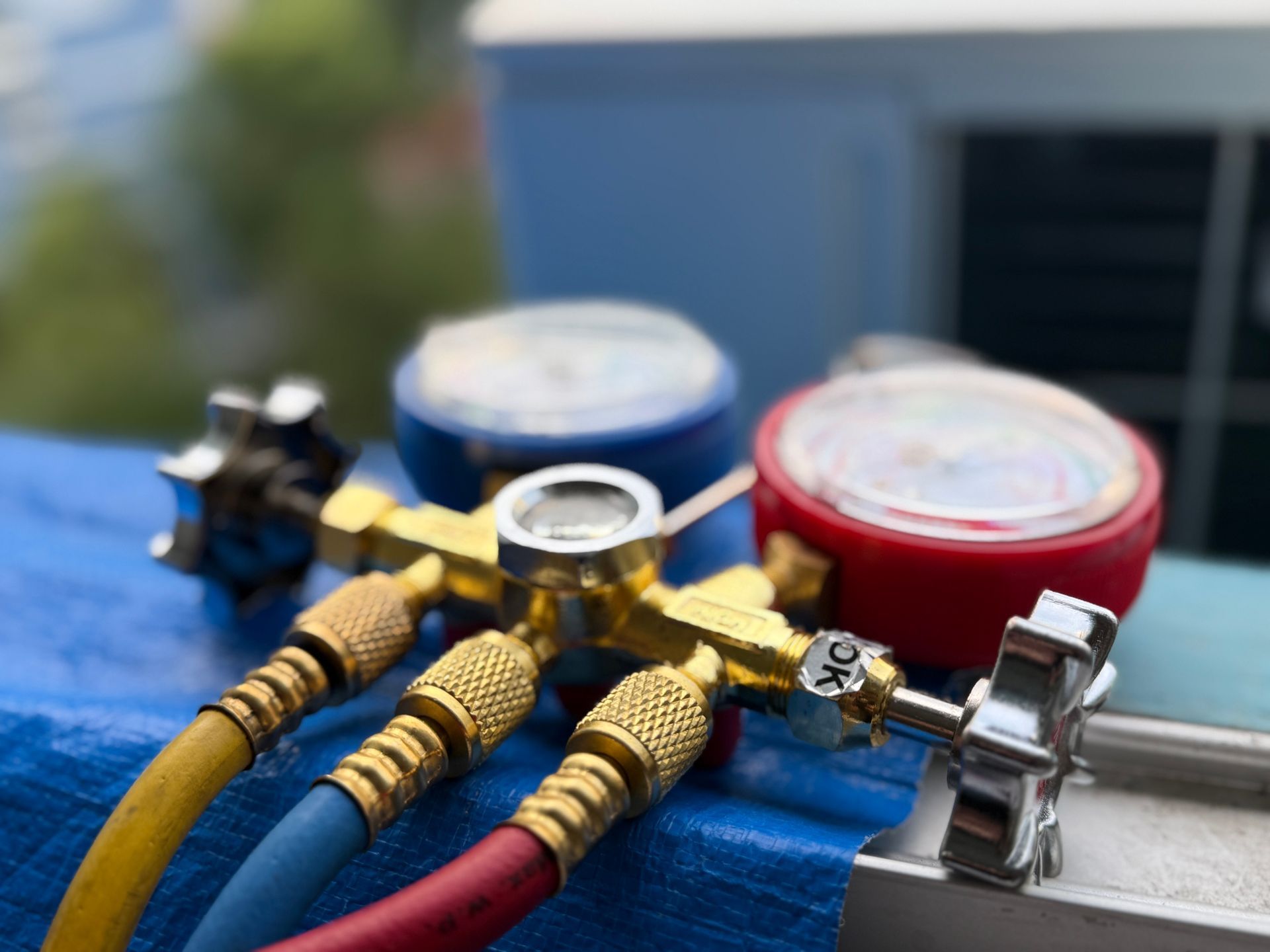
▸ If the repair involves refrigerant, ask which type your system uses, since older R-22 has been phased out and may be costlier to source.
Ready to Schedule HVAC Repair in Havelock, NC?
New Bern-based Coastal Carolina Air Conditioning proudly serves Havelock, NC, and surrounding areas with residential and commercial heating and cooling services. The team is available seven days a week and offers emergency service when you need it most. Learn more on the Havelock, NC service page, visit the contact page to schedule, or call (252) 636-2090 any day of the week. Find Coastal Carolina Air Conditioning on Google to read reviews and get directions.